Add Row
Add Element
cropper
update

Dumfries Living & Property Hub

cropper
update
Add Element
update

CALL US

Your Number Here

Add Element
update

EMAIL US

Your emaiYl here

Add Element
update

WORKING HOURS

Mon-Fri: 9am-5pm

Add Element

Add Element
  • Home
  • Categories
    • Property Pulse
    • Staging
    • Sustainability
    • Community
    • Family
    • Investment
    • Expert Q&A
    • Migrate
Add Element
  • Crina M Property on Facebook
    update
  • Crina M Property on X
    update
  • Crina M Property on Google Maps
    update
  • Crina M Property on LinkedIn
    update
  • Crina M Property on Pinterest
    update
  • Crina M Property on Youtube
    update
  • Crina M Property on Instagram
    update
February 24.2025
6 Minutes Read

Discover the Importance of a Property Seller's Home Report: Expert Insights from DM Hall Chartered Surveyors


In Scotland, a Home Report is a mandatory document required for selling a residential property. It provides prospective buyers with essential information about the condition and value of the property before they make an offer. The Home Report is designed to improve transparency and reduce the risk of unexpected issues after an offer is accepted.

This essential document not only sheds light on your home’s value but also highlights potential pitfalls that could cost you thousands. In “Unlock Your Property Seller’s Home Report: Avoid Costly Mistakes!” we’ll dive into why mastering this report is crucial for a successful sale. Join us as we uncover the secrets to maximizing your property’s potential and ensuring a smooth transaction!


What is a Property Seller’s Home Report?

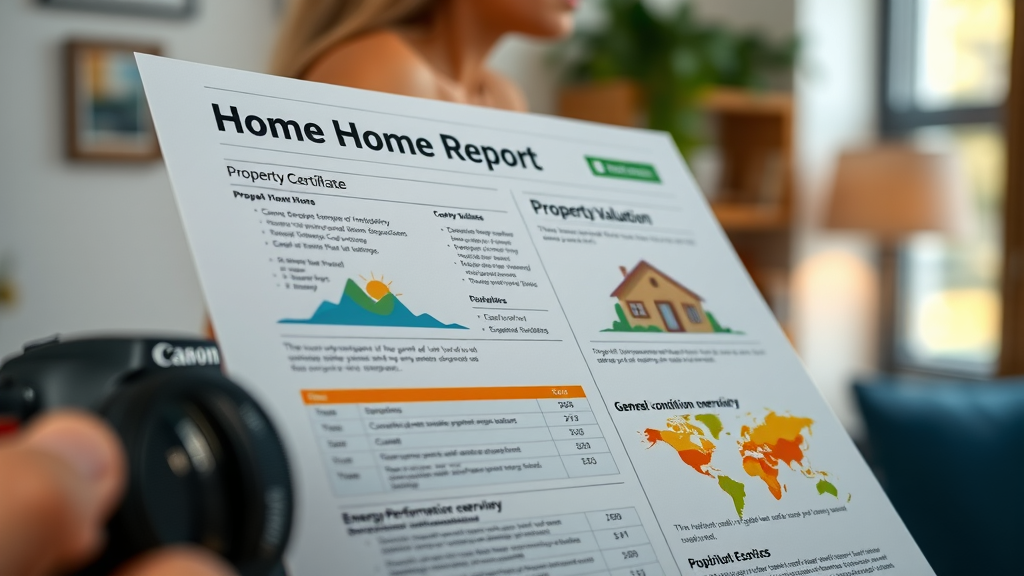
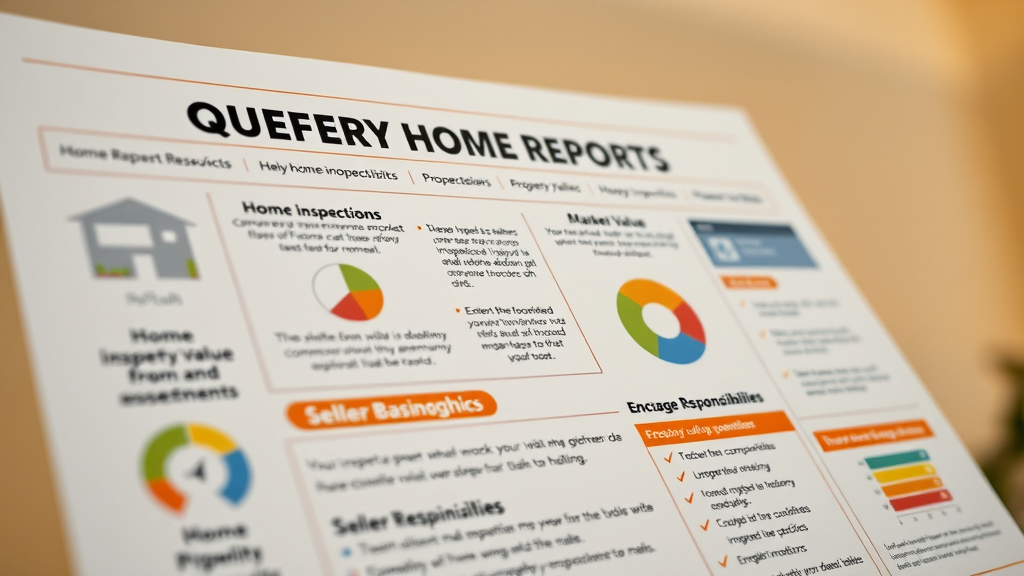
A Property seller’s Home Report is a comprehensive document that provides potential buyers with vital information about a property. This report typically includes several key components, each designed to give buyers an accurate picture of what they are purchasing.

Components of a Home Report

Understanding the components of a home report is essential for both sellers and buyers. Below is a breakdown of the sections typically included:

Component

Description

Energy Performance Certificate (EPC)

Provides energy efficiency ratings and recommendations for improvements.

General Condition and Valuation

Offers insights into the property’s condition and an estimated market value.

Property Questionnaire

A seller-completed form detailing the property’s history, repairs, and any outstanding issues.

Energy Performance Certificate (EPC)

The Energy Performance Certificate (EPC) is a crucial part of the Property seller’s Home Report . It assesses the energy efficiency of your home, which can significantly impact its marketability. A higher rating can lead to lower energy costs and increased buyer interest.

General Condition and Valuation

This section evaluates the overall condition of the property, highlighting any necessary repairs or renovations that may be required. Understanding these aspects helps sellers set realistic expectations for their sale.


“A well-prepared home report can make the difference between a quick sale and a prolonged listing.” - Real Estate Expert


Legal Requirements for Home Reports

In many regions, especially in Scotland, a Property seller’s Home Report is a legal requirement prior to listing a property for sale. This ensures transparency and protects both sellers and buyers. Understanding these legal requirements is crucial for compliance.

Key Legal Aspects

  • Mandatory for Residential Sales : Sellers must provide a home report for residential properties marketed for sale.

  • Prepared by Registered Professionals : The report must be compiled by a registered valuer or chartered surveyor to ensure accuracy.

  • Validity Period : The home report is generally valid for up to 12 weeks, after which a new report may need to be obtained.


Why a Home Report is Crucial for Property Sellers

A Property seller’s Home Report is not merely a formality; it plays a vital role in the selling process. Understanding its importance can significantly enhance your selling strategy.

Benefits of Having a Home Report

  1. Increases Buyer Confidence : A thorough report reassures potential buyers about the property’s condition and value.

  2. Highlights Energy Efficiency : The EPC section can attract energy-conscious buyers.

  3. Saves Time : By addressing issues beforehand, sellers can avoid delays in the selling process.

Impact on Selling Price

A well-prepared home report can positively impact the selling price. Properties with comprehensive reports tend to attract higher offers, as buyers are assured of their investment.



How to Obtain a Property Seller’s Home Report

Obtaining a Property seller’s Home Report is a straightforward process, but selecting the right provider is crucial.

Choosing the Right Report Provider

  1. Registered Valuers : Ensure the provider is a registered valuer or chartered surveyor.

  2. Experience : Look for providers with extensive experience in the local market.

  3. Reviews and References : Check online reviews and ask for references from past clients.

Registered Valuers and Chartered Surveyors

Engaging a registered valuer or chartered surveyor ensures that your home report is accurate and complies with legal standards.



Requesting a Home Report

When requesting a home report, provide your chosen provider with detailed information about your property, including its history, any renovations, and current issues. This transparency will aid in the accuracy of the report.


Understanding Home Report Costs

The cost of a Property seller’s Home Report can vary based on several factors. Understanding these can help you budget appropriately.

Factors Affecting Home Report Costs

  • Property Size : Larger properties typically incur higher costs.

  • Location : Prices can vary depending on the local market.

  • Provider Fees : Different providers may have varying fee structures.

Typical Price Ranges

Type of Property

Estimated Cost

Small Apartment

£250 - £400

Medium House

£400 - £600

Large Detached Home

£600 - £1,000


Home Report FAQs

Understanding the common questions about Property seller’s Home Reports can help demystify the process for sellers.

Common Misconceptions

  • Myth : A home report is only necessary for old properties.

  • Fact : All residential properties require a home report, regardless of age.

  • Myth : Home reports are optional.

  • Fact : Throughout Scotland, they are a legal requirement before selling.



“Knowledge is power; understanding your home’s report can empower you to make informed decisions.” - Real Estate Professional


The Role of Home Reports in the Selling Process

A Property seller’s Home Report is essential not just for compliance but for strategic selling.

Preparing Your Home for the Report

Ensuring Energy Efficiency:

  • Improving your home’s energy efficiency can enhance its appeal to potential buyers and may result in a higher selling price. Make necessary upgrades to improve your EPC rating.

Addressing Potential Issues:

  • Addressing issues in advance can prevent future negotiations or price reductions due to findings in the report. Fix any known issues that could be highlighted in the report.



Using the Report to Find a Buyer

Once the report is ready, use it as a marketing tool to attract potential buyers. Highlight the positive aspects of the report in your listings and during viewings.


Selling Strategies Informed by Home Reports

The insights gained from a Property seller’s Home Report can inform your selling strategies.

Targeting the Right Buyers

Understanding the information in your home report allows you to target buyers who value energy efficiency or specific property features.

Making an Offer Based on Report Findings

Use the findings from the home report to guide your pricing strategy and negotiations. Being transparent about your home’s condition can foster trust with potential buyers.



Conclusion: The Importance of a Home Report in Property Transactions

In conclusion, a seller’s Home Report is an indispensable tool for anyone looking to sell their property. Not only does it provide transparency and reassurance to buyers, but it also empowers sellers to make informed decisions that can lead to a successful sale.


Key Takeaways

  • A Property seller’s Home Report is legally required in Scotland and crucial for transparency.

  • Understanding its components helps sellers prepare effectively for the selling process.

  • The report can significantly impact the selling price and attract potential buyers.

  • Engaging a registered valuer or chartered surveyor ensures compliance and accuracy.

  • Preparing your home for the report can maximise its value and appeal.


Frequently Asked Questions (FAQs)

  1. Is a home report mandatory for all properties?
    - Yes, in many regions, a home report is required for residential properties, unless the property in new build and sold off-plan.

  2. How long is a home report valid?
    - Typically, a home report is valid for 12 weeks.

  3. Can I sell my property without a home report?
    - No, in Scotland, a home report is necessary to comply with legal requirements before selling.

  4. What should I do if my report highlights issues?
    - Address these issues before listing your property to improve its marketability.

For more detailed information, you may want to consult resources such as MyGov Scotland .

Property Pulse

26 Views

0 Comments

Write A Comment

*
*
Related Posts All Posts
01.22.2026

What Landlords Must Know About the EPC C Requirement by 2030

Update The Countdown to EPC C Standards: What Landlords Should Expect In a significant development for private landlords across the UK, the government has confirmed that by 2030, all rental properties must achieve a minimum Energy Performance Certificate (EPC) rating of C. This change forms part of the government’s broader initiative to reduce energy consumption and greenhouse gas emissions, ultimately steering the nation toward net-zero targets by 2050. Currently, rental properties only need an EPC rating of E to be let. The shift to a C rating impacts not only landlords but also the tenants who stand to benefit from improved living standards and reduced energy costs. Perhaps the most pressing concern for landlords is the financial burden of compliance. The cost to upgrade properties to reach an EPC C rating is estimated between £6,100 and £6,800 per unit, a considerable investment that could likely deter some investors if not addressed. Understanding the Financial Landscape Landlords may breathe a sigh of relief knowing that financial assistance is available through schemes like the Boiler Upgrade Scheme and local grants under the Warm Homes Plan. However, these programs present additional challenges. The £15,000 budget cap for improvements and potential exemptions can create further confusion about what qualifies for funding. Understanding the specifics of these financial strategies becomes crucial as deadlines approach, particularly with new tenancies needing to meet the EPC C standard by 2028. An affordability provision is also in consideration, which aims to lessen the financial hit for landlords operating in lower-rent areas. However, proper planning is vital. Many landlords risk waiting too long to initiate upgrades, leading to rushed compliance efforts and potential higher costs. The best approach is a proactive one, allowing adequate time to evaluate necessary changes comprehensively. Energy Efficiency Upgrades: What Landlords Need to Know To bring properties up to the required standards, landlords might need to invest in various upgrades such as insulation, double glazing, and more efficient heating systems. The government is also proposing changes to how EPC scores are calculated. This shift focuses on improvements related to a building's thermal performance, which means landlords need to prioritize upgrades that enhance energy conservation at the property’s core before considering solar panels or smart technologies.

01.22.2026

Record January House Price Jump: What It Means for Dumfries Buyers

Update Record Price Jump Sets the Housing Market Buzzing The housing market has kicked off 2026 with an exceptional start, showcasing a record jump in prices this January. Buyers are taking serious interest, as evident from the substantial rise in average asking prices, now standing at £368,031, which marks a 2.8% increase from December and a 0.5% growth compared to January of last year. This surge reflects a keen interest in the Dumfries property market, presenting a favorable outlook for both aspiring homeowners and investors alike. What’s Driving Buyer Demand? Following the festive season, buyer demand saw an exhilarating spike of 57% in the first two weeks of January compared to the last weeks of December. This enthusiasm is backed by compelling numbers—a remarkable 81% increase in homes listed for sale during the same period. As the market becomes increasingly vibrant, potential buyers find themselves with a diverse range of options. This surge indicates a shift in consumer sentiment, suggesting a return of confidence among homebuyers. Understanding Seller Strategies for Success For those planning to sell their homes, the key takeaway is to strike a balance between ambition and market realism in pricing. With one-third of existing listings having lowered their asking prices, sellers must heed the fluctuating market dynamics. The recent price uptick illustrates strong buyer interest, but it is equally vital to align expectations with current market realities. With the housing market at its busiest since 2014, savvy sellers who follow expert pricing strategies will greatly enhance their chances of a successful sale. First-Time Buyers: What to Expect in 2026 This year presents a unique landscape for first-time buyers. With an average price of £225,544, there are signs of a stable market; however, the pressure of rising prices may pose challenges. Last year’s stamp duty changes led to a surge of first-time buyers eager to complete purchases by the deadline. Today’s buyer demand mirrors much of that energy, which is encouraging. New buyers should stay abreast of trends and be proactive about maintaining their position in the market as we near the Spring selling season. Regional Variations: A Closer Look The property market is not uniform across the nation, with various regions experiencing distinct trends. While January heralded an overall increase in prices, some areas, particularly in the South East and East of England, reported declines. Understanding local market conditions, such as those in Dumfries, will be paramount for both buyers and sellers. Tailored guidance will be crucial to navigate the complex landscape and assess what this means for investment opportunities. Future Outlook: Maintaining Momentum As we move into 2026, the question remains whether this momentum will carry on. January's data presents a hopeful snapshot, suggesting renewed interest in property investments. However, many will closely monitor this uptick to determine whether it can sustain itself through more challenging market periods. Properties listed with reasonable expectations, resulting from well-informed pricing strategies, are likely to continue attracting buyers, shaping the landscape for the months ahead. Actionable Insights for Modern Buyers and Sellers For those engaged in the Dumfries housing market—whether selling, buying, or investing—being proactive and well-informed is key. Monitoring trends from trusted sources, employing dynamic pricing strategies, and localized knowledge will ensure you remain competitive in this fast-evolving market. Don’t hesitate to connect with real estate agents who understand these insights on a deeper level, equipping you with the tools necessary to navigate your real estate journey effectively. The housing market is rife with opportunities right now. For those considering a move, evaluate your local conditions in Dumfries, assess your readiness, and take informed steps towards potentially lucrative investments.

01.22.2026

Blue Is the Hottest Color of 2026: Transform Your Home with Primark’s Collection

Update Understanding the New Blue Trend for Your HomeThis year, blue is not just a color—it's a statement. With predictions pointing to blue as the hottest color of 2026, it's a splendid moment for home décor enthusiasts. Inspired by serene coastal aesthetics, Primark’s Nantucket collection beautifully encapsulates this trend, offering a plethora of affordable homeware, perfect for welcoming the warmth of spring.Why Blue Is the New Black for Home DecorPrimark’s latest collection features a range of soft furnishings and kitchenware, richly accentuating functionalities while embracing aesthetic appeal. This year's collection merges nostalgia with modern comfort, and the gentle blue tones evoke feelings of calmness and safety — sentiments echoed across various brands in the market, including Stacey Solomon’s navy collection with George Home.As Pinterest highlights, 'Cool Blue' sits prominently on its color palette, reinforcing that this shade will dominate home décor trends, whether in cushions, dishes, or decorative items. Blue, often associated with tranquility, can effortlessly elevate any space.Bringing Style into Your Home on a BudgetPurchasing trendy homeware doesn’t need to come with a hefty price tag. With Primark, budget-conscious shoppers can easily inject style into their homes. A few carefully chosen accents like the combined blue quilted duvet cover or the charming floral butter dish can transform an ordinary room into an inviting sanctuary.For instance, the Primark embroidered cushion flaunts tassels and intricate designs, appearing high-end without the high costs. Perfect for casual lounging areas or stylishly dressing up bedrooms, these elements offer easy, inexpensive ways to stay ahead of home décor trends.Alternatives to Expand Your Blue Decor CollectionIn addition to shopping at Primark, considering alternatives can broaden your options. Functional and stylish pieces, such as the M&S checkerboard table lamp or Habitat’s hand-painted stripe vase, incorporate varying shades of blue in contemporary designs. These selections complement Primark’s collection beautifully, helping you personalize your space while sticking to your budget.How to Use Blue to Transform Your SpaceFor anyone looking to refresh their home, incorporating blue doesn't require a complete overhaul. Minor adjustments, like adding blue-toned cushions to the sofa or utilizing blue-themed cooking accessories, can make a significant impact without the emotional weight of making permanent changes.Consider layering in blues through details that resonate with you personally—maybe a blue gingham duvet or a floral photo frame can evoke treasured memories, creating a space that feels like home.Looking Ahead: Embracing Blue in Your HomeWith its psychological benefits and aesthetic appeal, blue offers a unique opportunity to enhance the overall feel of any living space. Whether aiming for a beach-inspired retreat or a chic urban vibe, blue can match diverse styles, making it highly versatile in home décor.So, as you navigate this year’s home trends, don’t shy away from embracing blue tones; they can usher in serenity and fresh delight into your living environment.Call to ActionIf you’re excited about adopting the calming hue into your home, visit your local Primark or check out alternatives online. With countless options waiting to be explored, the journey towards a refreshingly serene home begins today.

Terms of Service

Privacy Policy

Core Modal Title

Sorry, no results found

You Might Find These Articles Interesting

T
Please Check Your Email
We Will Be Following Up Shortly
*
*
*