



Imagine this: By 2026, more than half of all UK households will enjoy the benefits of smart home automation, forever changing the way we live, save money, and secure our properties. Whether you’re a homeowner looking to boost your lifestyle or a landlord aiming to future-proof your investment, you’re about to discover why smart technology is the must-have upgrade for modern living.
Startling Smart Home Automation Facts That Will Surprise You
“By 2026, over 50% of UK households are expected to adopt some form of smart home automation, dramatically shaping modern living.”
The rapid surge in smart home automation across the UK isn’t just a passing tech fad—it’s a property trend that’s reshaping the essentials of homeownership. For property owners, this means more control over home security, comfort, and even energy consumption. Landlords and homeowners alike are realising that adopting a home automation system doesn’t just add a “wow” factor; it can seriously boost both property appeal and value.
- Why rapid smart home growth matters for property owners: Early adopters are improving tenant retention, achieving higher property values, and standing out in the competitive rental market. Even a few well-chosen smart home devices—like a smart thermostat or smart light system—can make your property more attractive and efficient.

What You'll Learn About Smart Home Automation
- How smart home automation enhances convenience and security
- The best UK-focused smart home automation systems
- Installation tips, maintenance, and cost factors
What is a Smart Home Automation System?
Defining Smart Home Automation
A smart home automation system is a network of interconnected home devices that work together to make your space more comfortable, secure, and efficient. Think smart lights, thermostats, security cameras, and speakers—all controlled from a single app or even by your voice. This isn’t science fiction; it’s rapidly becoming the new normal in the UK. With easy-to-use home automation systems, you can automate daily tasks, monitor your property remotely, and even save on bills. Whether you’re a tech pro or a cautious beginner, getting started with smart home automation is simpler—and more affordable—than you might expect.
How Smart Home Automation Integrates with Home Devices
The magic of smart home automation lies in how it links everything together. Home assistant platforms—think Amazon Alexa, Google Assistant, or Apple HomeKit—act as the brain, communicating with all your smart home devices. Lights, heating, blinds, and even coffee machines can “talk” to each other. Want the lights to dim as your evening playlist starts? Or need your security system set when you lock the front door? That’s all possible with smart home hubs and carefully chosen devices. Even better, many systems support voice command, letting you manage your entire home hands-free.
“Smart home automation empowers users to remotely control and monitor home devices for improved lifestyle and efficiency.” – UK Smart Living Association
The Benefits of Smart Home Automation for Homeowners and Property Managers
- Increased home security with smart devices and automation: Get instant alerts and live feeds from smart cameras and doorbells, and control locks remotely. A properly integrated security system is a powerful deterrent against theft or accidents.
- Energy efficiency and cost savings using smart lighting: Motion sensors and adaptive lighting can lower your utility costs and reduce waste. Smart thermostats learn your routine, optimising heating and cooling automatically. That means you save money without even thinking about it!
- Enhanced comfort with smart home hubs and assistants: Set up schedules, scenes, or routines that tailor your living space to your needs—whether it’s ambient lighting for movie night or pre-heated rooms before you arrive home. This is modern living, made effortless!

Key Smart Home Devices Every UK Property Needs
Smart Lighting and Smart Light Systems
Smart lighting is often the first step into home automation, and for good reason. Modern smart light systems let you set schedules, adjust brightness, and even change colours—all from your mobile or smart speaker. Imagine lowering the lights in your living room for a cosy evening without leaving your sofa. With compatibility for Alexa, Google Assistant, and Apple HomeKit, you can use voice command for hands-free control. Motion sensors can turn on hallway lights when you pass by, and smart bulbs can be programmed to mimic sunrise or sunset. These home devices are not just clever; they can slash your electricity bills too.
Smart Home Security Systems
Upgrading your home security system with smart automation gives you 24/7 peace of mind. Integrating smart locks, security cameras, alarms, and entry sensors into your home automation system means you’ll get immediate alerts if anything unusual is detected. Many UK systems now feature facial recognition, real-time cloud recording, and can be armed or disarmed from your phone—anywhere in the world. That’s unmatched convenience combined with robust protection for your home or rental property.
Smart Home Hubs and Home Assistants
A home hub or home assistant (like Google Home, Amazon Echo, or Samsung SmartThings) is the control centre of a smart home. These devices connect your household’s various gadgets, allowing seamless integration and centralised control. Say “goodnight” and your home hub can switch off the lights, adjust the thermostat, and activate your security system—all at once. With support for hundreds of compatible smart home devices, home hubs make automation intuitive and scalable as your needs grow.
Smart Thermostats, Sensors, and Living Room Automation
Smart thermostats like Hive and Nest learn your routines to keep your home comfortable while optimising energy use. Environmental sensors track everything from air quality to humidity, sending you alerts before issues escalate. When you automate your living room with smart blinds, speakers, and streaming devices, your space becomes personalised with a single tap or command. From scheduling TV times for kids to setting cosy light and temperature scenes, the smart living room transforms your daily routine.
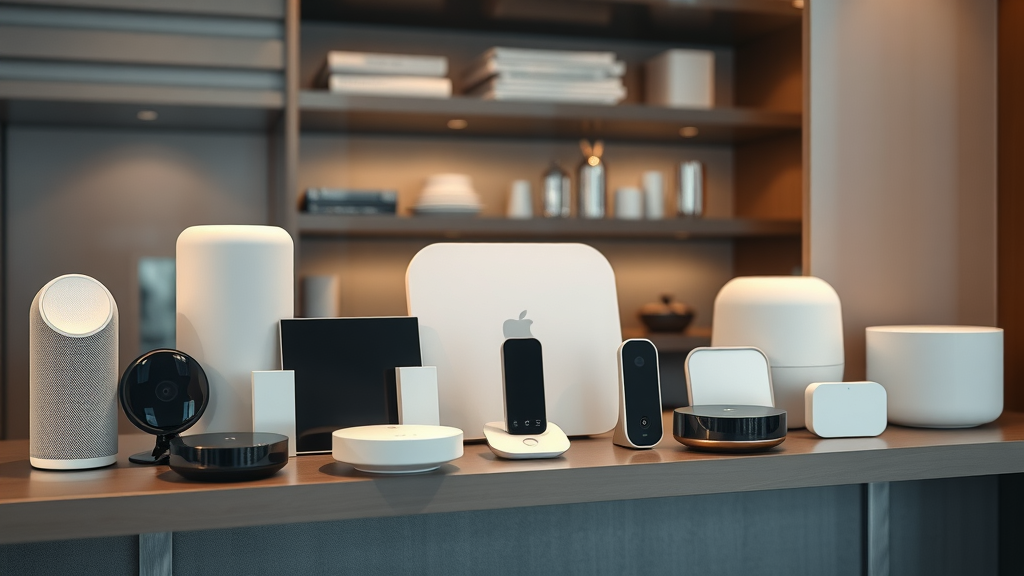
Top 5 Smart Home Automation Systems in the UK
| System | Main Features | Compatibility | Approximate Price |
|---|---|---|---|
| Amazon Alexa | Wide device support, voice command, automation routines, skills marketplace | Most UK smart devices, multi-brand support | £40+ (Echo Dot), optional premium skills |
| Google Home / Assistant | Contextual voice responses, Nest integration, automation routines | Broad compatibility (Nest, Philips Hue, TP-Link, etc.) | £45+ (Google Nest Mini) |
| Apple HomeKit | Secure, privacy-focused, seamless iOS integration, advanced automation | Apple devices, select UK smart gadgets | £89+ (HomePod Mini) |
| Samsung SmartThings | Comprehensive automation, advanced sensors, open platform | Works with wide range of devices; Zigbee & Z-Wave support | £80+ (SmartThings Hub) |
| Hive Active Home | UK-focused, user-friendly, strong energy management options | Hive devices and select partner products | £99+ (Starter pack) |
- Amazon Alexa, Google Home, Apple HomeKit, Samsung SmartThings, Hive Active Home
Which AI is Best for Smart Home Automation?
Evaluating Home Assistant AI Options
Choosing a home assistant for your smart home is all about balancing your needs for voice control, compatibility, and personal preference. Amazon Alexa stands out for its vast device ecosystem and wide support for third-party brands—ideal if you crave maximum flexibility and compatibility. Google Assistant excels at understanding natural language and providing useful, contextual answers; it’s especially powerful for those already using Google services. Apple’s Siri, part of HomeKit, offers tighter privacy and elegant integration for iOS households. Samsung SmartThings and Hive provide rock-solid performance, particularly with their respective device lines. Ultimately, the best AI for your smart home automation will be the one that fits seamlessly with your daily routines, gadgets, and preferences.
- Consider voice recognition accuracy, device compatibility, integration with your favourite apps, and ease of use when selecting your AI.
“The best AI for smart home automation is the one that seamlessly fits your household’s habits and supports the devices you need most.” — Smart Home Tech Reviewer
Smart Home Automation: Cost Breakdown & Investment Guide
Typical Costs for UK Smart Home Automation Installations
Budgeting for smart home automation can seem daunting, but UK homeowners have options for every price range. Starter kits (like basic smart lights and a home hub) can cost under £100, while a fully integrated setup with smart thermostats, sensors, and security systems may reach £3,000+ for high-end properties. Installation is often DIY, but pro installation for complex systems adds up to £500. Running costs for cloud services are typically £0–£10/month.
| Item | Typical Cost | Notes |
|---|---|---|
| Smart Light Bulb | £10–£35 | DIY installation, works standalone |
| Smart Thermostat | £120–£250 | Pro install recommended for boilers |
| Home Hub | £40–£100 | Central control, many options |
| Security Camera System | £120–£600 | Cloud storage may add monthly fee |
| Professional Installation | £150–£500 | Not always required |
| Running Costs | £0–£10/month | Optional for premium cloud features |
- Free vs. premium device features: Some brands require a monthly fee for advanced automation or cloud recording, while others offer robust free tools.
- There’s a solution for every budget: from affordable starter kits to comprehensive, high-end systems for luxury homes.
Step-by-Step Guide: Setting Up Your First Smart Home Automation Solution
Choosing Smart Home Devices and Home Hubs
Start by considering your main goals: Is security your priority? Or is it comfort and energy savings? Smart lights and a home hub (like Alexa, Google Home, or SmartThings) are perfect for beginners. If you’re tech-savvy, explore multi-brand compatibility and advanced automation features. Make sure any smart home devices you pick are compatible with your chosen hub or assistant—device ecosystems matter! Compare user reviews, UK support, and available integrations as you shop. Setting a budget upfront helps you focus on value without overspending.
Configuring Smart Lighting and Security System
Once you’ve selected and unpacked your smart devices, it’s time for setup. Most smart lights and smart security systems are designed for DIY installation. Download the manufacturer’s app, follow the guided steps, and test each device. Smart hubs usually require a quick connection to your Wi-Fi, after which you’ll be prompted to add new devices and create routines. Don’t forget to set up alerts for security events and experiment with automation scenarios (like turning off all lights when you leave).
- Plan your layout: Identify which rooms and features you want automated first.
- Unbox and position your smart devices, following the manufacturer’s instructions for each.
- Connect your devices to your Wi-Fi and your chosen home hub.
- Use the app to configure routines, rules, and alerts.
- Test smart device functions and fine-tune automations for daily life.

Smart Home Automation for Energy Saving and Sustainability
Smart Home Devices that Reduce Energy Bills
Smart thermostats, radiator valves, and lighting controls are game-changers for both sustainability and savings. These smart devices learn your schedule, adjust temperatures automatically, and allow remote control so you never heat an empty home. Combining sensors with automation ensures your home is always efficient—windows left open, or unusually high energy use, trigger instant alerts. Homeowners across the UK are saving hundreds per year thanks to the precise control offered by smart home automation devices.
Real-life Case Study: A Greener UK Home
Take the Jones family from Manchester: after installing a Hive system with a smart thermostat, programmable lights, and energy sensors, their energy bills fell by nearly 20% in the first year. Automated schedules turned off heating and lights when no one was at home, and a single app let them review energy usage in real time. Their experience shows that even small steps toward home automation can have a real environmental and financial impact—proof that smarter living doesn’t mean spending more.

Smart Security: Protecting Your Home with Automation
Home Security Systems and Smart Cameras
Today’s smart security systems provide real-time alerts, HD camera footage, and even facial recognition. Leading UK brands offer easy-to-install security cameras for doors, driveways, and internals—managed by your home automation system or linked to your home hub. These smart cameras ensure you’re always in-the-know, whether you’re at home or miles away. An automated security setup means your property is never left unprotected, and alerts can be routed directly to your mobile for instant action.
Security System Integration with Smart Home Automation
Modern home automation systems take protection to the next level. Security features can be linked to other smart home devices, like triggering hallway lights or sending voice notifications if a breach is detected. Integrating your smart security system with your overall smart home automation network increases convenience, providing a true “set and forget” approach to peace of mind. With remote control from your phone or voice assistant, it’s easier than ever to keep your home secure.
Smart Home Automation in Every Room: Living Room, Bedroom, Kitchen, and Beyond
Automation Ideas for Living Room Comfort
Transform your living room with automated blinds, multi-coloured lights, and integrated entertainment. With a single voice command, the lights can dim, the TV turns on, and the temperature sets for movie night. Smart speakers and hubs create a seamless, hands-free experience, and routines can adjust comfort settings throughout your day. Whether you’re hosting guests or enjoying family time, these smart home automation features elevate everyday living in the most popular room of the house.
Smart Devices for Peace of Mind in Bedrooms and Kitchens
In the bedroom, smart devices can improve sleep hygiene: schedule night-lights, set gentle alarm clocks, and even keep an eye on air quality. The kitchen is a hub of efficiency—automated outlets, cameras, and voice assistants can help with recipes, watch the pets, or alert you if you leave the hob on. With smart home automation, every room in your UK home can shine with tailored features.
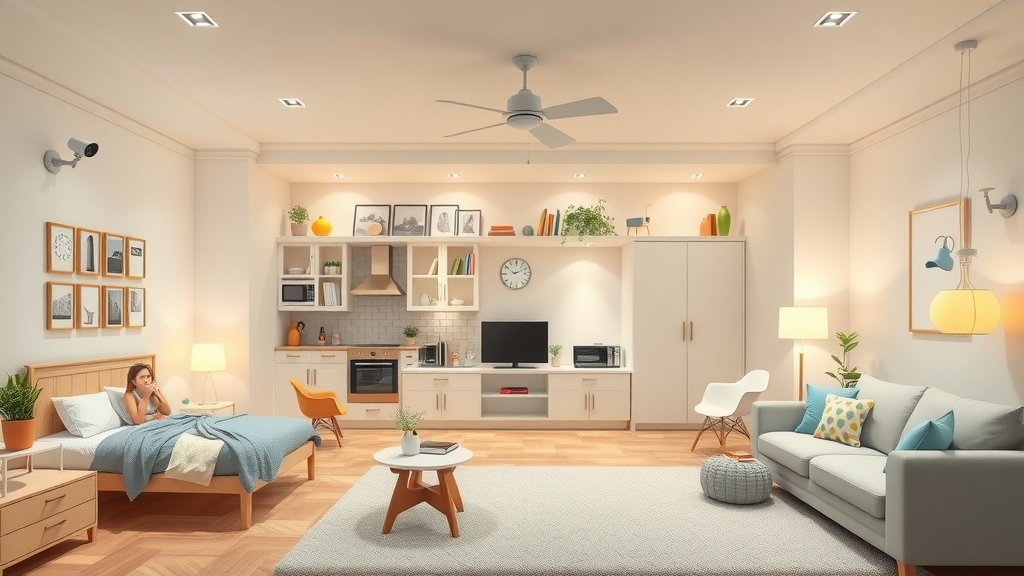
People Also Ask: Smart Home Automation Q&A
What is a smart home automation system?
- A smart home automation system is a network of connected home devices (like lights, thermostats, and security systems) managed centrally or remotely for enhanced comfort, security, and efficiency. With smartphone apps or voice commands, you can automate tasks and monitor your entire home from anywhere, ensuring convenience and peace of mind.
What are the top 5 home automation systems?
- The top 5 home automation systems in the UK are Amazon Alexa, Google Home, Apple HomeKit, Samsung SmartThings, and Hive Active Home. Each offers unique strengths in compatibility, automation features, and integration with popular home devices.
Which AI is best for a smart home?
- Each AI (Alexa, Google Assistant, Siri, etc.) serves different needs. Alexa is preferred for wide compatibility; Google Assistant for contextual responses; Siri for Apple ecosystems. Choose the one best matching your device setup and daily routines.
How much does smart home automation cost?
- Smart home automation can start from below £100 for basic setups and range to £3,000+ for premium, whole-home integration in the UK. Costs depend on the devices, installation, and any optional paid services you wish to add.
Smart Home Automation: Tips, Troubleshooting and Common Mistakes
-
Checklist for maintaining smart home devices:
- Update device firmware regularly for security and new features.
- Check Wi-Fi connections and keep routers up-to-date.
- Review automation routines to avoid conflicts and errors.
-
Avoiding common pitfalls when integrating smart home automation:
- Always check device compatibility with your home hub or assistant.
- Start small, adding devices as your confidence grows.
- Prioritise security, using strong passwords and two-factor authentication.
See the difference smart home automation can make—watch a real UK homeowner’s journey as their property is upgraded for comfort, security, and energy efficiency. From before-and-after transformations to device management tips, learn how the right setup modernises any home.
Follow along as a UK homeowner unboxes, installs, and configures key smart home automation devices, sharing practical tips and common pitfalls for a smooth upgrade experience.
Smart Home Automation Checklist: What Every UK Homeowner Should Review
- Pre-installation planning tips: Decide which rooms and tasks to automate first.
- Device compatibility overview: Ensure your chosen smart devices work seamlessly with your home hub or assistant.
- Security audit for existing home automation setup: Regularly check password strength, review user permissions, and update all firmware for robust protection.
Frequently Asked Questions on Smart Home Automation
-
Can smart home devices work offline?
Many basic functions, like controlling lights or thermostats, will work offline via local networks—but advanced cloud features require an active internet connection. -
Are smart home devices secure?
Yes, most leading brands prioritise encryption and security updates. Always set strong passwords, keep software up-to-date, and enable two-factor authentication. -
How do I update my smart home system?
Most devices update via their companion app. Check device settings regularly for updates and follow prompts to stay current with features and security patches.
Key Takeaways: Why Now is the Right Time for Smart Home Automation
- Rapid adoption in the UK
- Increased convenience and security
- Better energy efficiency and home value
Conclusion: Unlock Smart Home Automation in Your UK Property
“The future is now—don’t wait to make your home smarter, safer, and more efficient.”
- Recap: Smart home automation is increasingly accessible, offering real comfort, security, and savings for UK homeowners.
- Next steps: Assess your needs, set your budget, and begin your smart home journey today—there’s a perfect automation solution for every home.
We'd love to see your comments on this?
To further enhance your understanding of smart home automation, consider exploring the following resources:
-
“What is a smart home ecosystem? And why might I need one?” This article delves into the concept of centralized platforms that allow you to manage and automate all your smart home devices from different brands within a single interface. (idealhome.co.uk)
-
“Home Assistant” An open-source home automation platform that emphasizes local control and privacy, offering integration with over a thousand different devices and services. (home-assistant.io)
These resources provide valuable insights into creating a cohesive and efficient smart home environment, helping you make informed decisions about integrating various devices and platforms.


Write A Comment